%20(1).avif)
Plumbing
Plumbing


Sewer & Drain
Sewer & Drain
Water Heaters & Treatment
Water Heaters & Treatment
Contact Us
Contact Us
Contact Us
Contact Us
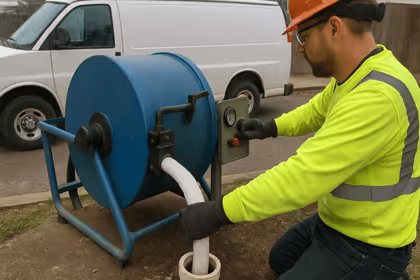





The damage tells us how much pipe needs attention and whether the existing line can support a liner. Doheny Plumbing begins with a video inspection, then recommends a focused repair or a longer rehabilitation based on what the camera shows.
We start every sewer lining project by looking inside the pipe. Doheny Plumbing uses video inspection and precise measurements to determine what failed, whether the line is a suitable candidate for rehabilitation, and how much of the pipe needs treatment.

We run a sewer camera through an accessible opening to identify cracks, joint separation, root intrusion, corrosion, obstructions, or more severe structural damage. It also separates a pipe defect from a blockage that may only need cleaning. We explain what the footage shows and whether CIPP lining, a sectional repair, or another sewer service fits the condition of the line.
If the existing pipe can support a liner, our team measures the repair area and plans the liner around the pipe’s dimensions and configuration. You receive a clear explanation of the recommended scope and transparent, upfront pricing. If the pipe is not a lining candidate, we will discuss other repair or replacement paths instead of forcing the wrong method.
The liner needs a clean, prepared surface. We remove obstructions and clean the affected run as needed so the liner can be placed against the pipe wall. The line is checked again before installation to confirm that the repair area is ready and that no condition has been overlooked.
The resin-saturated liner is positioned inside the existing sewer pipe and pressed against its interior. As it cures, it forms a seamless new pipe within the old line. Because the work takes place inside the existing run, CIPP sewer lining can avoid the long trench and widespread surface restoration associated with conventional replacement.
After the liner cures, we run a final video inspection to check the liner, sealed connections, and flow path. This camera verification lets you see the completed rehabilitation rather than relying on guesswork about an underground repair.
CIPP stands for cured-in-place pipe. It is a pipe rehabilitation method that renews a damaged sewer line from within rather than removing the full pipe from the ground. A flexible liner saturated with resin is placed inside the existing line, fitted against the pipe wall, and cured until it becomes a strong, seamless interior pipe.
You may also see this service described as sewer relining, pipe lining, sewer pipe rehabilitation, or sewer line rehabilitation. These terms point to the same core goal: restore a qualifying pipe’s integrity and flow path while leaving most of the surrounding property undisturbed. Doheny’s documented lining services include full-length CIPP lining, sectional point repairs, main-line rehabilitation, and lateral restoration.
CIPP is one type of trenchless sewer repair, not a synonym for every trenchless method. Lining preserves the route of an existing pipe and builds a new interior within it. Pipe bursting, by contrast, breaks apart a severely damaged pipe while pulling a replacement through its path. Doheny’s trenchless technology page covers that broader family of no-dig repair and replacement options; this page stays focused on lining and rehabilitation.
CIPP sewer lining repairs damage from inside the existing pipe, often reducing the excavation and surface restoration needed for a qualifying project. Instead of opening a trench along the full sewer route, the crew works through available access points and uses the old pipe as the pathway for the new liner. The payoff is less disruption to landscaping, driveways, patios, and finished areas above the line.
The cured liner also creates one smooth, continuous interior. It can seal qualifying cracks and separated joints, close common root-entry points, and cover rough or deteriorated surfaces that catch debris. Because the rehabilitation is planned from camera footage and measurements, Doheny can match a sectional repair or full-length liner to the damage found rather than replacing more pipe than necessary.
The current Doheny service page states that its CIPP solution can extend a sewer line’s life by 50 years or more. A final camera inspection verifies the liner after installation and gives the homeowner visual evidence of the completed underground work.
.avif)
.avif)
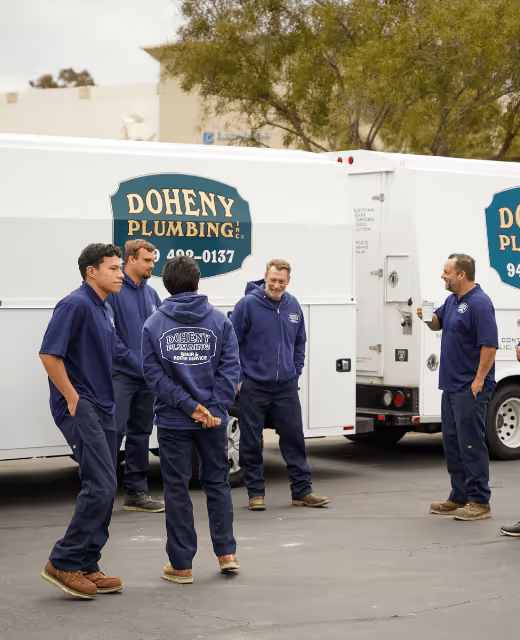
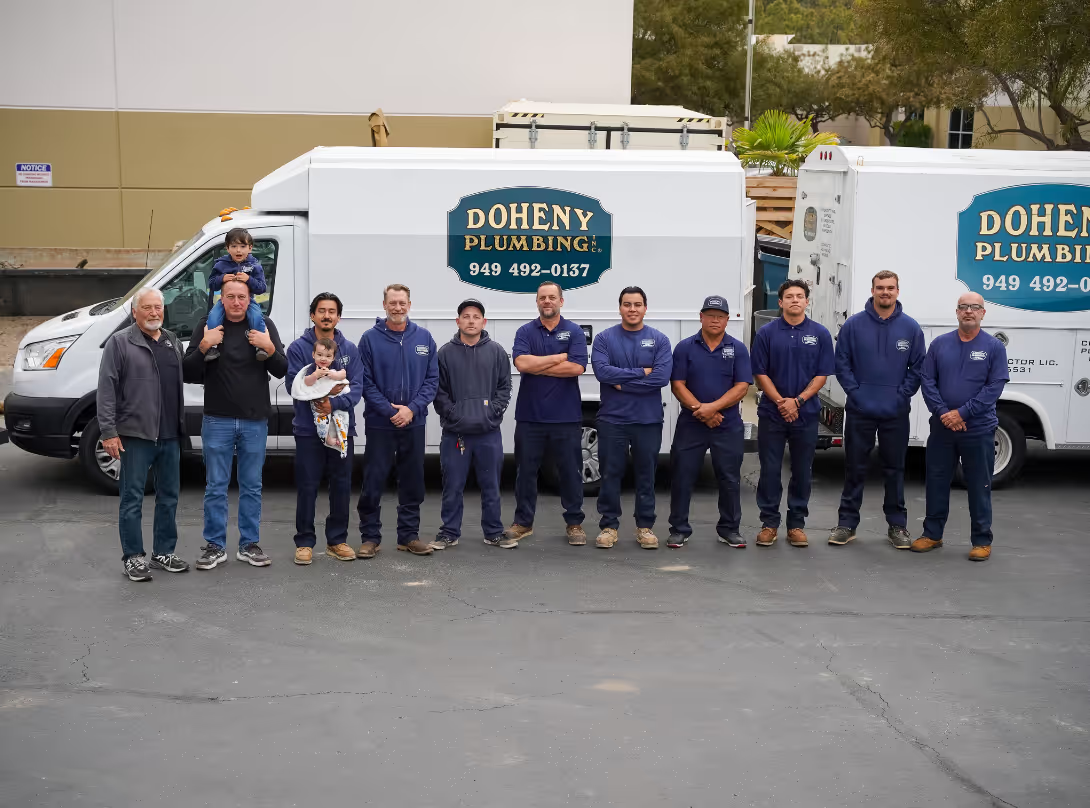
Good sewer rehabilitation depends on the diagnosis, preparation, installation, and final check. Doheny Plumbing has served Orange County for more than 40 years and now uses modern CIPP lining methods to repair qualifying sewer lines. We are large enough to handle complex sewer work and small enough to remember your name.
.svg)
Doheny’s technicians are trained in trenchless sewer methods and use video inspection to plan the work around the actual condition of the line. That keeps the repair length and method tied to the damage instead of a one-size-fits-all recommendation.
The process begins with camera footage and ends with camera verification. You can understand why lining was recommended, what portion of the pipe was rehabilitated, and how the finished interior looks after curing.
CIPP sewer lining works through the existing pipe and available access points. For qualifying lines, that can protect lawns, driveways, patios, and finished indoor areas from the extensive demolition required to expose an entire sewer run.
We explain the recommended scope and price before the rehabilitation begins. There are no hidden fees or surprise charges added without a conversation about the condition found and the work required.
Doheny Plumbing is available 24/7 for urgent sewer and drain problems. We can address the immediate backup or flow issue, inspect the line, and determine whether rehabilitation should be scheduled as the lasting repair.
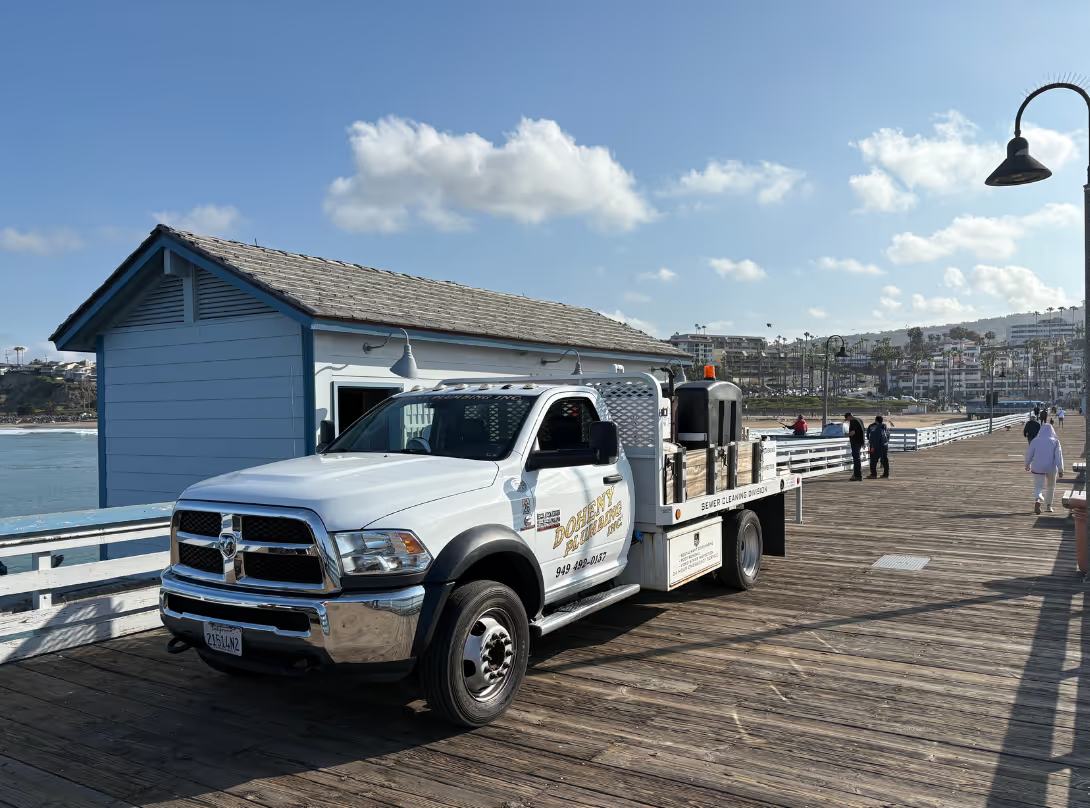
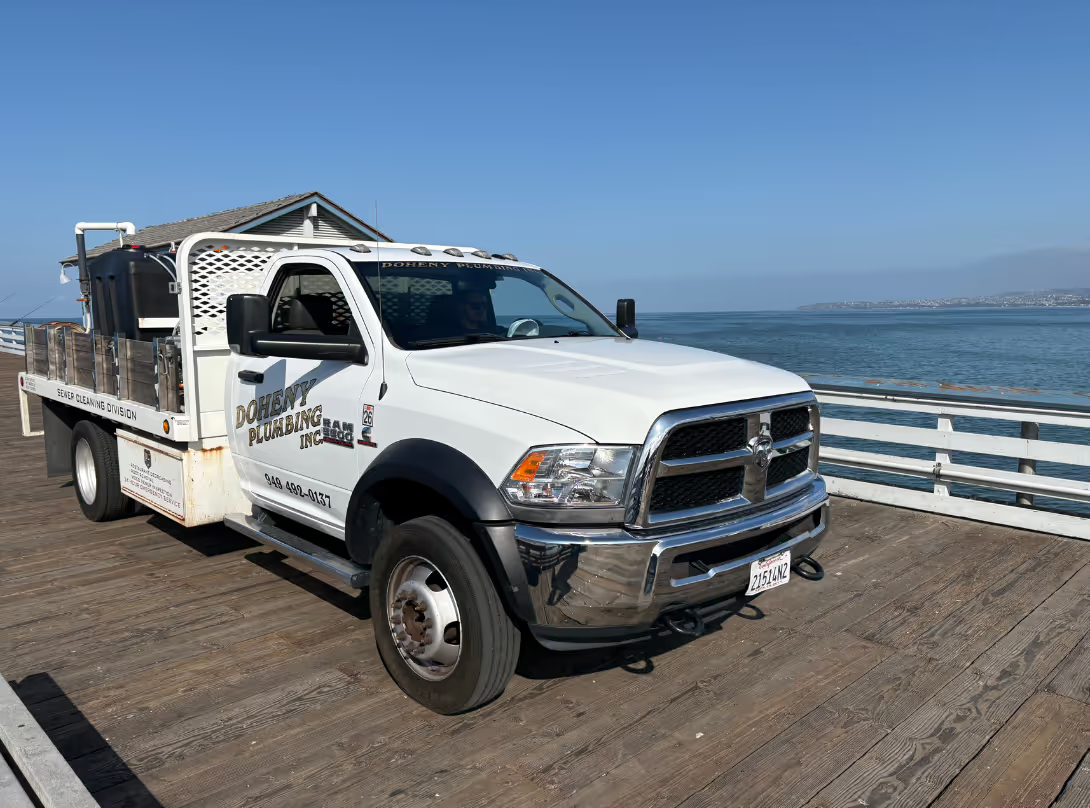
Different sewer failures call for different repairs. CIPP sewer lining rehabilitates a qualifying pipe by creating a seamless interior within the existing run. It is designed to seal cracks and joints, reduce common root-entry points, and restore the flow surface without exposing the entire line. Doheny also offers sectional liners when only one portion needs rehabilitation.
Pipe bursting is a trenchless replacement method. It may be considered when the original pipe is too severely damaged for lining or when replacement is a better structural solution. The old pipe is broken apart as a new pipe is pulled through its route. Although the method avoids a full-length trench, it serves a different purpose from CIPP rehabilitation.
Traditional excavation exposes and replaces the damaged pipe directly. It can be necessary when access, alignment, collapse, or other site conditions rule out a trenchless option. It also allows the crew to address conditions that cannot be corrected from within the existing line, but it usually involves more digging and surface restoration.
The live Doheny trenchless sewer repair page is the best place to compare Doheny’s broader no-dig methods, including lining and pipe bursting. This sewer rehabilitation page should remain the detailed destination for CIPP, sectional lining, main-line rehabilitation, and lateral restoration. That division gives homeowners a clearer path and prevents the two pages from competing for the same primary intent.
CIPP means cured-in-place pipe. A resin-saturated liner is installed within the existing sewer line and cured until it forms a seamless interior pipe. The method rehabilitates qualifying damaged pipes without excavating the full run.
Sewer lining is one type of trenchless sewer repair, but the terms are not interchangeable. Trenchless repair is a broader category that also includes methods such as pipe bursting. This page covers Doheny’s lining and rehabilitation services; the trenchless technology page explains the broader range of no-dig options.
The camera inspection decides whether CIPP fits the pipe. Lining may work for cracks, deteriorated joints, corrosion, root-entry points, and other damage when the host pipe can support a liner. A collapsed, badly deformed, or severely bellied line may require a different repair.
A joint-free liner can seal qualifying cracks and joints that roots use to enter the pipe. Existing roots and obstructions must be removed and the line prepared before installation. The inspection determines whether lining can address the entry points or whether structural damage calls for another method.
CIPP usually avoids a full-length trench because the work happens inside the existing sewer route. Some projects may still need access work depending on the cleanouts, pipe condition, and layout. Doheny will explain the expected access and property impact after inspecting the line.
Doheny’s current service page states that its durable CIPP solution can extend a sewer line’s life by 50 years or more. Actual performance depends on the condition of the host pipe, correct preparation and installation, wastewater conditions, and ongoing use. The final camera inspection verifies the completed liner at installation.
Yes. A sectional point repair may fit when the damage is isolated. Doheny uses camera footage and measurements to identify the affected portion and determine whether a targeted liner or a longer rehabilitation is the better repair.
If the camera shows collapse, major deformation, a severe belly, or another condition that makes lining unsuitable, Doheny will explain the alternatives. Those may include a localized excavation, pipe bursting, or traditional sewer line replacement based on the failure and property conditions.
Yes. Doheny Plumbing is available 24/7 for urgent sewer and drain problems. Emergency service can address the immediate backup or flow issue, while camera inspection and a written plan determine whether CIPP sewer lining should be scheduled as the lasting repair.
.avif)