%20(1).avif)
Plumbing
Plumbing


Sewer & Drain
Sewer & Drain

Water Heaters & Treatment
Water Heaters & Treatment
Contact Us
Contact Us
Contact Us
Contact Us
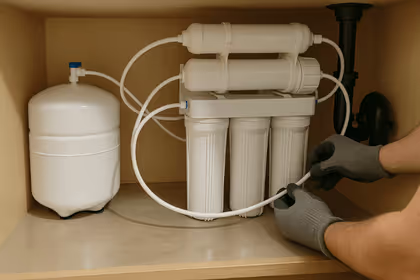





A reverse osmosis system needs more than an open spot under the sink. Water pressure, cabinet space, the drain connection, faucet location, household use, and nearby plumbing all shape the installation. Doheny checks those details before recommending any work.
Reverse osmosis, often shortened to RO, uses water pressure to push water through a fine membrane. That membrane separates many dissolved substances from the treated water. Most residential drinking-water systems also use pre-filters to protect the membrane and a post-filter before the water reaches its dedicated faucet.
Most under-sink systems follow a sequence like this:
The exact reduction performance depends on the system, its certified claims, incoming water, pressure, installation, and maintenance. No filter removes everything; a sales percentage can't replace the product's certification and performance sheet. Doheny can compare the equipment with the concerns found at your home so you know what the system is actually meant to do.

Nobody wants a surprise under the sink. Doheny's reverse osmosis installation process moves from your water concern to a working system in five clear steps.

We ask what you want to change, where you want filtered water, and whether the home already has treatment equipment. This helps separate taste and drinking-water concerns from hardness, sediment, pressure, or plumbing problems that call for another solution.
We check the cabinet or proposed equipment location, cold-water connection, drain access, faucet placement, available space, and surrounding plumbing. If a refrigerator connection is requested, we review the route and compatibility before including it in the scope.
We explain the recommended setup, what it's meant to do, its maintenance needs, and the plumbing included. You'll see the full price and scope before choosing how to move forward.
The plumber secures the components, completes the water and drain connections, installs the applicable faucet and tubing, and keeps the work contained to the agreed area. If an existing unit is being replaced, any removal or plumbing correction is handled according to the quoted scope.
We check the connections for leaks, confirm that the system fills and delivers water, and complete the startup steps required by the equipment. Before leaving, we show you the shutoff, explain normal operation, and review the manufacturer's service requirements.
Most residential reverse osmosis systems treat water at the point of use, usually below the kitchen sink. A dedicated faucet supplies filtered water for drinking, cooking, coffee, and other uses where taste and dissolved-solids reduction matter most. Some setups can also serve a compatible refrigerator or ice maker once we've checked the plumbing and pressure requirements.
Whole-home water treatment is a different decision. Every fixture adds flow and capacity demands that can go well beyond a standard under-sink RO unit. A softener, conditioner, sediment filter, carbon filter, or another treatment method may fit a house-wide concern better. RO also isn't the same as softening: it treats water at a selected point, while a softener addresses hardness throughout the home's plumbing.
Doheny starts with where the problem shows up and how your household plans to use the water. A kitchen drinking-water concern shouldn't turn into an oversized proposal, and a point-of-use system shouldn't be sold as the answer for every fixture.
Bottled water gets inconvenient fast. You may also dislike the taste of your tap water or want filtered water on demand at the kitchen sink. An assessment shows whether RO fits that goal and what the installation would take.
An existing system may need service when you notice:
These symptoms don't automatically mean you need a new system. Doheny can inspect the equipment and nearby plumbing, explain what we find, and price the recommended work before you decide.
.avif)
.avif)
A reverse osmosis system becomes part of your kitchen plumbing. It needs secure connections, the right drain setup, enough room, and a plan for future service. Doheny handles the equipment and the surrounding water lines as one job.
.svg)
Doheny Plumbing has served Orange County and surrounding communities for more than four decades. The company is still run by the local family that built it around honesty, attention to detail, and customer service.
The same team can evaluate the RO equipment and the plumbing connections that support it. That matters when low pressure, a leaking shutoff, a restricted line, or an unsuitable drain connection affects the installation.
Doheny's live service offering includes new RO installation, repair, filter and membrane maintenance, and assessment of existing systems. You have one local plumbing company to call as the system's needs change.
Regular service protects water flow and helps the membrane work as designed. There isn't one replacement interval for every system. Filter type, equipment design, incoming water, pressure, household use, and manufacturer instructions all affect the schedule.
Homeowners can support the system by watching for changes between service visits. Look inside the cabinet periodically for moisture, avoid stacking items against tubing or housings, and note changes in flow, taste, odor, noise, or refill time. If the system has a monitor or service indicator, follow the equipment instructions rather than resetting an alert without completing the required maintenance.
A service visit may include checking accessible connections and housings, testing the system's operation, reviewing its maintenance history, and replacing compatible filters or membrane components. The brand, model, condition, and available parts determine the exact work. If an older system keeps breaking down or parts are no longer available, we'll tell you whether another repair still makes sense.
Do not open a pressurized housing or attempt a plumbing repair unless you know how to isolate and depressurize the equipment safely. If water is leaking, shut off the system when it is safe to do so, protect the cabinet and surrounding materials, and call for service.







A reverse osmosis system treats water in several stages. One of them is a fine membrane that separates many dissolved substances from the treated water. Reduction claims vary by product, so check the system's certification and performance sheet for the substances you want to address.
Many residential RO systems are point-of-use systems installed below the kitchen sink with a dedicated faucet. The available cabinet space, drain access, faucet placement, pressure, and desired output all need to be reviewed before the system is selected.
Some configurations can serve a compatible refrigerator or ice maker, but distance, tubing size, pressure, and appliance requirements affect performance. Doheny can inspect the proposed route and tell you whether that connection should be included in the installation.
No. A point-of-use RO system treats water for a selected faucet, while a water softener is designed to address hardness minerals throughout the home's plumbing. A water assessment helps determine whether the concern calls for RO, softening, another filter, or more than one treatment step.
Follow the manufacturer's service schedule; intervals vary by system, incoming water, and household use. Don't wait for the next calendar reminder if the flow, taste, odor, or refill time changes.
Yes, depending on what's wrong and whether parts are available. Pressure, valves, tanks, tubing, housings, service components, and installation conditions can all cause trouble. Doheny checks the equipment before recommending repair or replacement.
No water-treatment system removes everything under every condition. Product certifications specify what a particular system has been tested to reduce, and performance also depends on installation and maintenance. Choose equipment based on the water concern and verified product data rather than a universal percentage claim.
Schedule an assessment so Doheny can review the equipment, intended use, installation area, plumbing connections, and any existing system. You will receive upfront pricing for the recommended scope before installation or service begins.
.avif)