%20(1).avif)
Plumbing
Plumbing


Sewer & Drain
Sewer & Drain
Water Heaters & Treatment
Water Heaters & Treatment
Contact Us
Contact Us
Contact Us
Contact Us
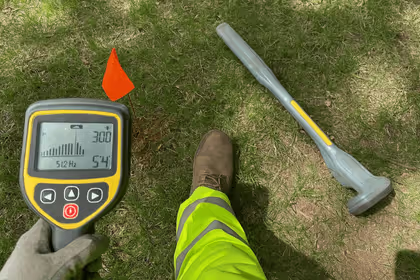





“Trenchless” describes a group of methods that can repair or replace underground pipe while limiting the amount of open excavation. That doesn't mean every project is completed without digging. Access points may still be needed, and the pipe condition, route and surrounding property determine which approach is practical.
Doheny starts with the condition of the line, not a predetermined product. Our team uses the inspection findings to explain the available options, the expected work area and the price before the repair begins.
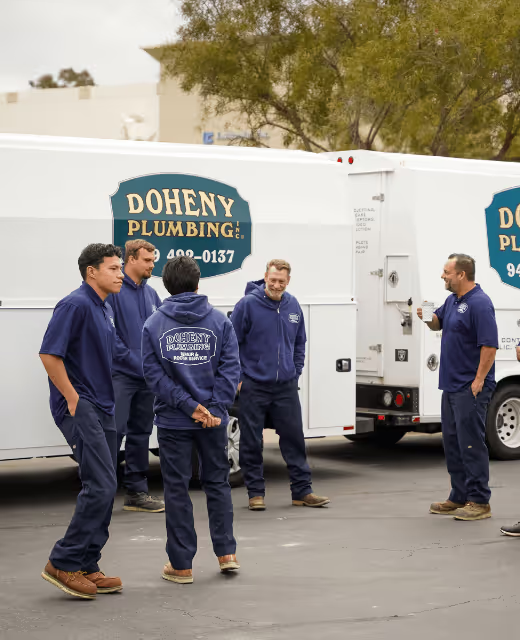
Every trenchless project begins with diagnosis. Doheny's process is designed to show you what is happening in the line, explain the available repair paths and define the work before installation begins.

We start with what you have noticed, how often the problem occurs and any prior sewer cleaning, camera inspection or repair. This background helps the technician understand the issue and plan the evaluation.
Our team uses video inspection and locating equipment to examine the pipe and identify the problem area. The findings tell us whether you're dealing with an obstruction that can be serviced or damage that may require repair or replacement.
We review what the inspection shows and explain whether the line may be a candidate for trenchless repair, CIPP lining, pipe bursting or another approach. If you want more detail about lining rehabilitation, we'll point you to the dedicated sewer-lining service instead of treating every trenchless project as the same job.
Before work begins, we identify the expected access points and the areas of the property involved. You receive a clear scope and upfront pricing so you can make the decision with the repair plan in front of you.
Our team carries out the selected trenchless work while limiting surface disruption to the planned work areas. If conditions differ from what the inspection showed, we explain the change before expanding the scope.
After the work is finished, we check the result and review the completed service with you. We also explain any follow-up or maintenance relevant to the repaired sewer line.
Recurring backups or a damaged sewer line don't automatically mean the entire line must be replaced. They don't guarantee that a lining repair will solve the problem, either. The inspection, damage, access and long-term needs of the system guide that decision.
Repair may be considered when the problem is limited and the existing line is still suitable for a trenchless repair method. The goal is to correct the damaged area while preserving as much of the current route and surrounding property as practical.
Replacement may be considered when the inspection shows severe damage or a line that is not a sound candidate for rehabilitation. If pipe bursting fits the site, it can replace the line through access points without opening a continuous trench across the property.
Conventional excavation may still be necessary when trenchless access is not practical or when the condition or layout cannot be corrected with the trenchless options Doheny offers. We'll make that limitation clear instead of promising a no-dig solution before we've inspected the line.
Doheny reviews the camera findings with you and explains the scope, access points and pricing for the recommended path. That gives you a specific answer for your property instead of a one-size-fits-all repair claim.
Sewer line problems can look like ordinary drain trouble at first. One slow fixture may be a local clog, but repeated or widespread symptoms can point to a problem farther down the system. An inspection can separate a cleaning issue from pipe damage and show whether trenchless sewer repair should be part of the conversation.
Call Doheny if you notice:
These signs don't prove that you need pipe lining, pipe bursting or full replacement. They are reasons to inspect the line and make the decision from current evidence.
Trenchless methods are especially useful when the sewer route runs below landscaping, a driveway, a patio or another finished area that a long open trench would disturb. By working through planned access points, a trenchless project may reduce the amount of surface restoration required after the sewer work.
Suitability still has to be confirmed. Doheny considers the type and extent of visible damage, the condition of the existing line, the route of the pipe and the access available on the property. The team also determines whether the job calls for repair, rehabilitation or replacement. Those details affect both the method and the work area.
No responsible plumber can confirm the right trenchless approach from symptoms alone. A video inspection and site assessment provide the information needed to recommend the next step. If a trenchless option fits, Doheny will explain why. If it doesn't, we'll discuss the alternative and why it's necessary.
.avif)
.avif)
Sewer line work affects more than the pipe. The repair plan can also affect landscaping, hardscaping, access and the time your household spends dealing with the problem. Doheny gives you a diagnosis and a defined path before asking you to approve major underground work.
.svg)
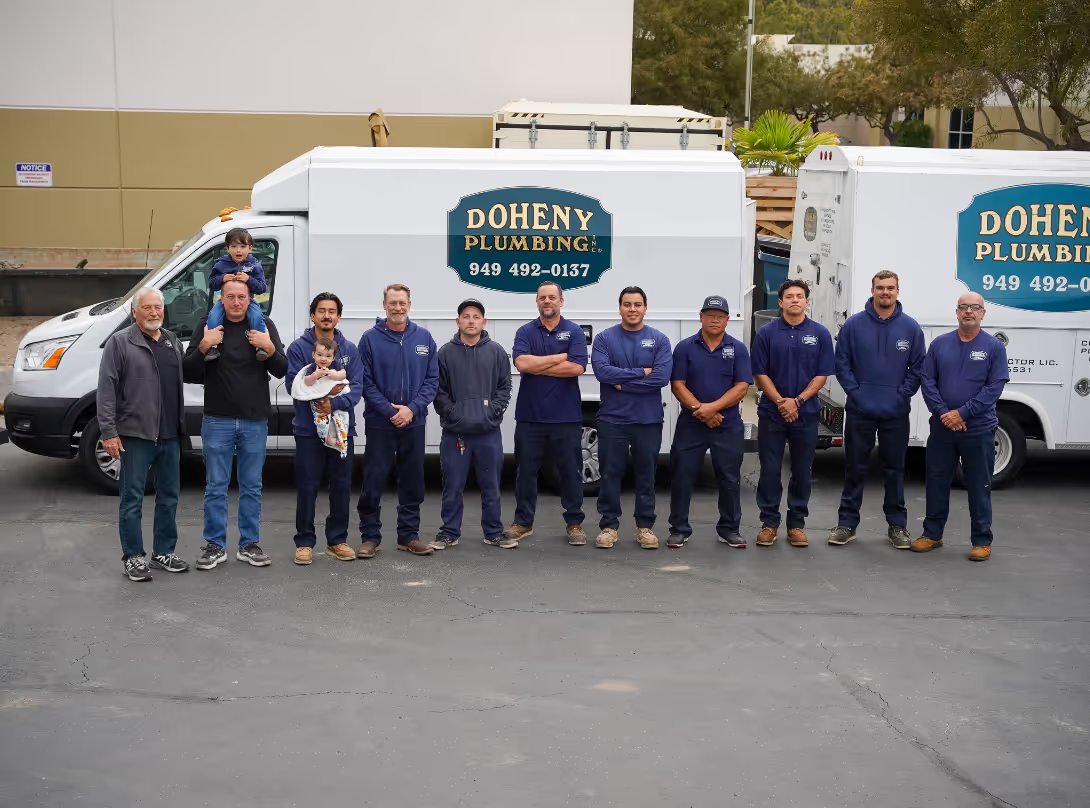
Doheny is a family-owned company that has served Orange County homeowners for more than four decades. You get an established local plumbing team for the inspection, repair recommendation and completed work.
We don't label every sewer problem a lining or replacement job. Video inspection helps us see the condition of the line and recommend the trenchless method that fits, if one is appropriate.
Our team explains the planned access, scope and price before approved work begins. That clarity matters when the repair is underground and you can't see the problem directly.
This page covers Doheny's overall trenchless repair and replacement options. Our separate Sewer Lining Rehabilitation page explains CIPP lining and related rehabilitation services in more detail, so homeowners can understand which service they are considering.


Trenchless sewer repair uses access points and specialized methods to repair or replace underground pipe without opening a continuous trench along the entire route. Some digging may still be required, and the correct approach depends on the pipe condition and property access.
A video inspection and site assessment are the starting points. Doheny reviews the visible damage, pipe condition, route and available access before confirming whether a trenchless option is appropriate.
Pipe lining creates a new lining within an existing pipe that is suitable for rehabilitation. Pipe bursting is a replacement method that pulls new pipe through the existing route while breaking apart the old line. Doheny's Sewer Lining Rehabilitation page covers CIPP lining in more detail.
Trenchless doesn't always mean dig-free. Access points may be needed to inspect, repair or replace the line, but the goal is to avoid opening the full sewer route when the pipe and site allow it.
No single method is right for every sewer line. Trenchless work can reduce surface disruption, but the condition, layout or access may make a different repair necessary. Doheny explains those limitations after inspecting the line.
Pipe bursting may be an option when replacement is needed and the property is suitable for the process. The team must inspect the line and plan access before confirming that method for a specific home.
Recurring backups, several slow drains, sewer odors, unusual wet areas in the yard or previous findings of cracks, breaks or root intrusion can justify an inspection. These symptoms don't identify the repair method by themselves, so the next step is diagnosis.
Cost depends on the length and location of the affected pipe, the damage shown by the inspection, the method selected and the access required. Doheny provides upfront pricing for the recommended scope after evaluating the line and site.
Yes. Doheny Plumbing offers 24/7 emergency availability for urgent plumbing and sewer problems. Call 949-492-0137 if you are dealing with an active backup or another issue that needs prompt attention.
.avif)